
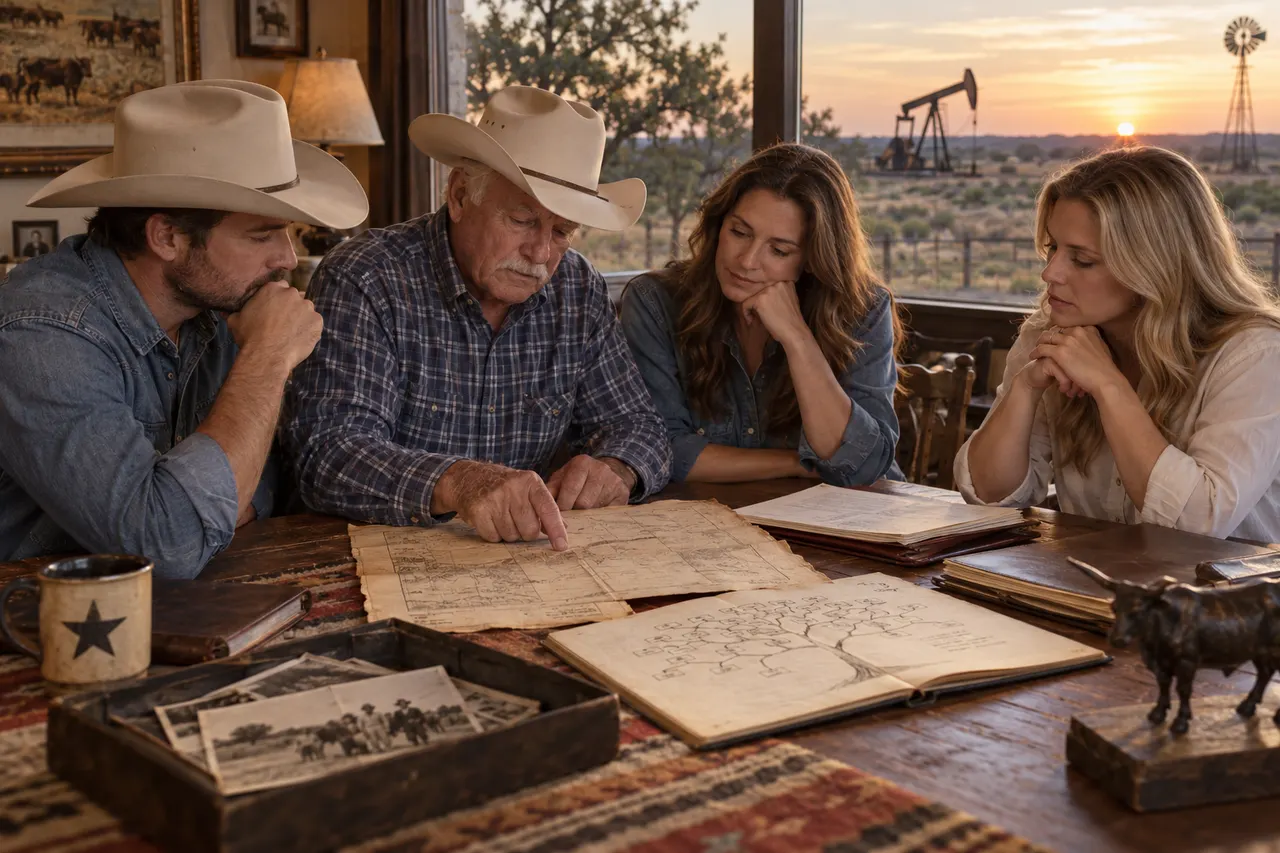
A family may think it owns “the ranch.”
But the deed may divide that ranch into several legally separate interests: surface land, minerals, royalties, lease rights, and production income. Sometimes the most valuable part is hidden in a phrase written generations ago.
That issue reached the Texas Supreme Court in Karli v. Wilson, a 2026 case involving an old oil-and-gas deed and a family estate. The dispute centered on “double fractions” - language that can produce dramatically different royalty calculations depending on how the deed is interpreted.
The Court did not finally decide who owned the larger royalty interest. Instead, it vacated the court of appeals’ decision and sent the case back for reconsideration in light of a newer Supreme Court decision.
The hidden mechanism: “the land” may not be one asset
Estate plans often list real estate in broad terms:
- “the family ranch” - “all real property” - “my mineral interests” - “royalties from my Texas properties”
Those descriptions may not be enough to prevent confusion.
Texas law treats mineral interests as interests in land. The Texas Estates Code also provides that a person may devise the estate, right, title, and interest in property owned at death.
But a will can only transfer what the person actually owns. If a 1930s deed reserved a royalty interest, a later owner may possess something different from what the family informally calls “the property.”
The wording may also determine whether the interest is:
- A mineral estate
- A royalty interest
- A nonparticipating royalty
- A leasehold interest
- A right to receive production proceeds
- An interest administered through an estate or trust
In Karli, the Supreme Court identified the deed’s double-fraction language and the interpretive presumption discussed in Van Dyke v. Navigator Group. Because the lower court had not considered the Court’s later decision in Clifton v. Johnson, the case was returned for further proceedings.s page
Free Guide
Texas Estate Planning Checklist
12 steps every Texas family should take to protect their legacy
Why this matters when updating a will
A will that says “my real estate goes to my children equally” may sound clear. Yet equal shares can become complicated when:
- One child receives the surface property and another receives mineral income.
- Royalties are owned through a trust or business entity.
- A prior deed reserved minerals for descendants.
- A lease was signed by an executor or trustee.
- Production proceeds are deposited into joint or separate accounts.
- Family members have relied on a decades-old interpretation of a deed.
Texas law contains special provisions concerning mineral properties owned by an estate, including leases, pooling, and continued administration.
Practical steps for landowning families
If your family owns Texas ranchland, oil interests, or royalty income, gather:
- Every deed in the chain of title
- Probate orders and prior wills
- Mineral leases and division orders
- Royalty statements and tax records
- Partnership, LLC, or trust documents
- Any family agreements about who receives income
- County recording information for prior conveyances
Then have the documents reviewed together. A title opinion by itself may not answer the estate-planning question, and a will review without the title documents may miss the asset entirely.
The goal is not merely to identify who receives the land. It is to identify what legal interests exist - and whether the estate plan distributes them in the way the family actually intends.
WG Law helps North Texas families with estate planning. Contact us to discuss your situation.
This article provides general legal information, not legal advice, and does not create an attorney-client relationship. Texas law and individual circumstances can affect the result.