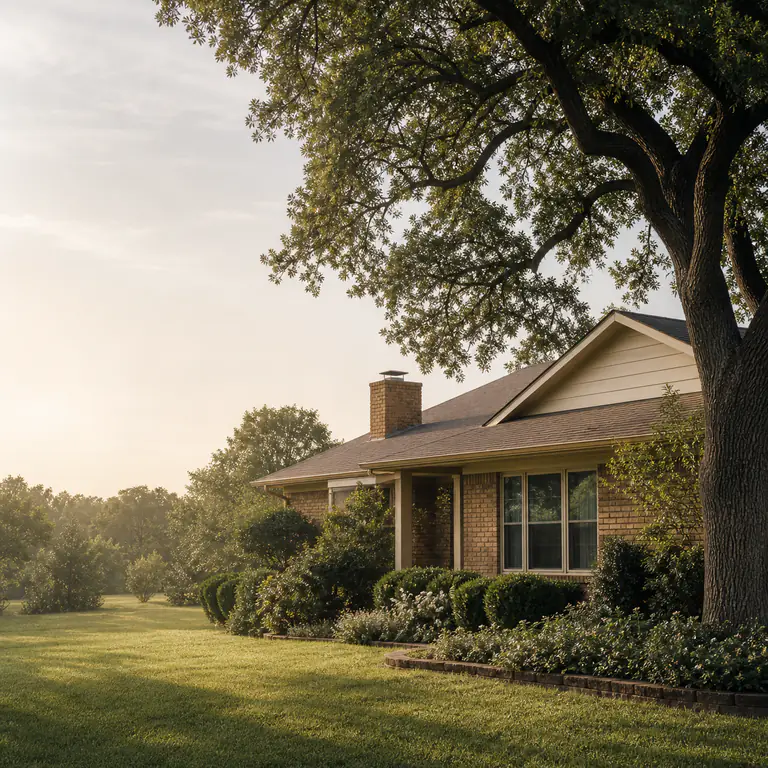

A fence can mark the boundary between two properties. It does not necessarily end a disagreement about what happens on either side.
In a Texas neighborhood, a dispute over animals and buildings eventually raised a different question: when a lawsuit is underway, how much of a homeowner's property may the other side inspect?
In October 2026, the Supreme Court of Texas considered an inspection order covering a fourteen-acre homestead. The court's answer depended on the evidence already available, the reach of the proposed inspection and the burden of bringing an opposing party onto the land.
The disagreement behind the request
According to the opinion in In re Pamela Bosco, Bosco and James and Carolyn Bierschwale owned neighboring property in a Hays County residential community. The community's recorded restrictions addressed matters including animals, nuisances and the placement of structures.
After a complaint, Bosco and the property owners association pursued mediation. Before their settlement was finalized, the neighbors, who did not participate in the mediation, sued and alleged violations of the restrictions. Bosco and the association ultimately agreed on certain changes and proof of compliance, and Bosco later provided a certificate and supporting materials. The parties disagreed about whether that settlement resolved the neighbors' claims.
Those allegations were part of the underlying lawsuit. The Supreme Court's decision addressed the proposed inspection; it did not decide which party should ultimately prevail on the property claims.
A request to enter the property
During the lawsuit, the neighbors sought to inspect Bosco's property. After Bosco objected, the trial court allowed an inspection and then narrowed its order on reconsideration. The revised order authorized one visit of up to four hours and permitted photographs, recordings and measurements, subject to stated conditions. It excluded entry into residences and other structures but allowed doors to structures to be opened when necessary.
Bosco argued that the inspection was too intrusive and that the information could be obtained in less burdensome ways. She sought review through a petition for writ of mandamus, a request for an appellate court to direct a lower court to correct a qualifying error before an ordinary appeal.
Why the rules call for a closer look
Texas Rule of Civil Procedure 196.7 provides a process for requesting entry onto property for discovery in a lawsuit. A request must describe matters such as the time, place, manner, conditions and scope of the proposed inspection. The rules also provide a process for a response and objections.
Free Guide
Texas Estate Planning Checklist
12 steps every Texas family should take to protect their legacy
Rule 192.4 supplies a broader limit: discovery can be restricted when it is unreasonably cumulative or available from a more convenient, less burdensome or less expensive source, or when its burden outweighs its likely benefit in the case.
The Supreme Court explained that an inspection of a homestead can impose a significant privacy and property burden. It did not say that a home or surrounding land can never be inspected in litigation. Courts must assess the request and the evidence in the particular case.
What the court decided
The court observed that Bosco had identified the animals in written responses and testimony. The record also included information about structures and a survey. The neighbors could seek certain information from the association, and conditions allegedly affecting their own property could be observed from their side of the fence.
On that record, the court concluded that the burden of the ordered inspection outweighed its likely benefit. It conditionally granted mandamus relief and directed the trial court to vacate that inspection order. The opinion says a writ would issue only if the trial court did not promptly comply.
The justices expressly left open whether a different, more narrowly tailored inspection could be proportionate in this or another case. On November 16, the Supreme Court docket listed that date as the deadline for a motion for rehearing; the case's status may change. The opinion does not establish the later outcome of the neighbors' underlying dispute.
If a property dispute involves an inspection
- Read the request and any court order carefully. A litigation request, an agreed visit and a court order are different things. Note what property, activities and participants are identified.
- Preserve the documents. Deeds, surveys, recorded restrictions, association correspondence, photographs and any settlement papers may help explain the issue.
- Identify the information sought. A lawyer can assess whether existing records or observations from a lawful location may address the same question, and what evidence supports any concern about the inspection's burden.
- Respond through the proper process. Deadlines and objections depend on the circumstances. Do not ignore a request or assume that this decision automatically resolves yours.
- Avoid self-help. Do not enter another person's property without permission or legal authority, and do not disregard a court order. Seek advice promptly about the available procedures.
Property disputes often become easier to understand once the documents and the actual question are separated. Learn about WG Law's real estate services and estate planning. To discuss a Texas property question, call 214-250-4407 or contact our North Texas team.
This article provides general legal information, not legal advice, and does not create an attorney-client relationship. Texas law and individual circumstances can affect the result.